
Yesterday, Apple released macOS, iOS, and iPadOS 26.4, a software update packed with improvements and new features. But there’s one feature that launched yesterday that was actually announced more than a month prior that you’ll definitely want to check out if you’re a podcast addict like me.
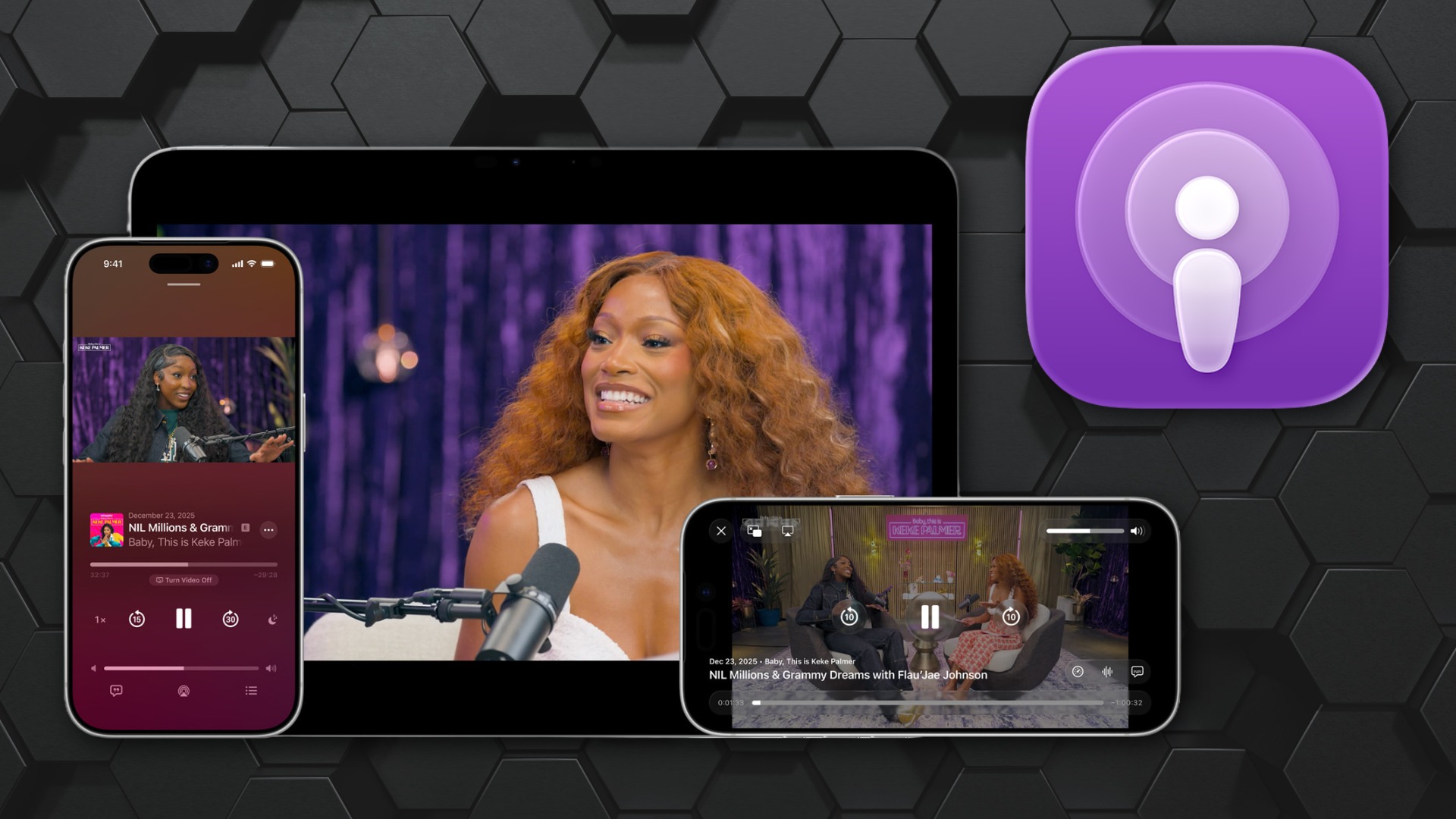
After updating your device to 26.4, you’ll notice that Apple’s Podcasts app has new emphasis on video episodes. Though many shows have been uploading audio and video versions of each episode for years, the trend of adding a video counterpart to each episode has really accelerated in the last year or so as a way to reach new fans via video-first apps like TikTok, Instagram, and YouTube. While the huge and growing popularity of podcasts led to companies like Spotify and SiriusXM to acquire the rights to shows in a bid to attract users to their platforms, the growing popularity of consuming podcasts on video platforms has led YouTube and even Netflix to start buying up the rights to shows as well. Netflix now offers a huge stable of popular podcasts and has placed them front a center in their app.
But Apple hasn’t just thrown in a bunch of videos into the Podcasts app and called it a day. The new video support required a rethinking of how video fits into the way Podcasts users browse and use the app.
A long time coming
Apple goes way back with podcasting. Like, way back. Though the company didn’t create the format, it did coin the term “podcast”, and is largely responsible for popularizing it, first adding support for the medium in 2005 as an additional content stream for the iPod.
In recent years, however, Apple’s own Podcasts app has fallen behind due to the rise of video within the medium. Today, YouTube is the platform that most people consume podcasts on, largely driven by how easy it is to swap between watching and listening to a show.
In the new Podcasts app, Apple hopes to deliver a deeply integrated video expirence that also offers seamless switching between formats.
To that end, Apple is using its own HTTP Live Streaming (HLS) technology as the foundation for the enhanced video experience—the same protocol that powers high-quality video delivery across Apple’s platforms. The Podcasts app previously supported video podcasts via RSS, but the new app delivers a streamlined, native option for creating and monetizing video podcasts.
What listeners get
What’s really nice about the addition of video to the Podcasts app is how well Apple has integrated it into the app’s existing browsing and playback interface. Video podcasts will appear within personalized recommendations, editorially curated sections of the app, within your library of shows, and in category pages. In fact, the first time I opened the new version of the app, an episode that I had started listening to before the update popped back up with the ability to switch to the video version. When I hit play, the video began to play exactly where I had left off when listening to the audio-only version.
With that in mind, Podcasts makes it easy to switch between video and audio versions of a show. Episodes can be watched in both vertical or full-screen horizontal orientations and video episodes can be downloaded to watch offline. In fact, you can start an episode while out for a run on your Apple Watch, then pick up where you left off by watching on your iPhone or iPad later on.
Apple says HLS brings an automatic quality adjustment feature, which helps videos play better whether listeners are on Wi-Fi or cellular. That means that your stream shouldn’t buffer or drop out when you step away from Wi-Fi or if your cellular connection gets a little flaky.
It’s worth noting some current limitations. The Apple Podcasts macOS app doesn’t support HLS video, and the Apple TV doesn’t support HLS video podcasting either. The feature is available on iPhone, iPad, and Apple Vision Pro, as well as through the Apple Podcasts web app.
What’s in it for creators
Apple has also sought to make it as easy as possible for podcast creators to not only upload video to the platform but monetize it as well.
For years, podcasters who wanted to publish video have had to manage separate feeds, work around technical limitations, and largely forego the kind of dynamic advertising infrastructure that audio podcasters take for granted. The new system addresses all of that.
For the first time, creators can dynamically insert video ads—including host-read spots—unlocking access to the broader video advertising market while maintaining full creative control. This brings video podcasters into parity with audio podcasters who have used dynamic ad insertion for years.
On cost: Apple does not charge hosting providers or creators to distribute podcasts on Apple Podcasts, whether via traditional RSS/MP3 or HLS video. Apple will charge participating ad networks a standard impression-based fee for the delivery of dynamic ads in HLS video on Apple Podcasts starting later this year.